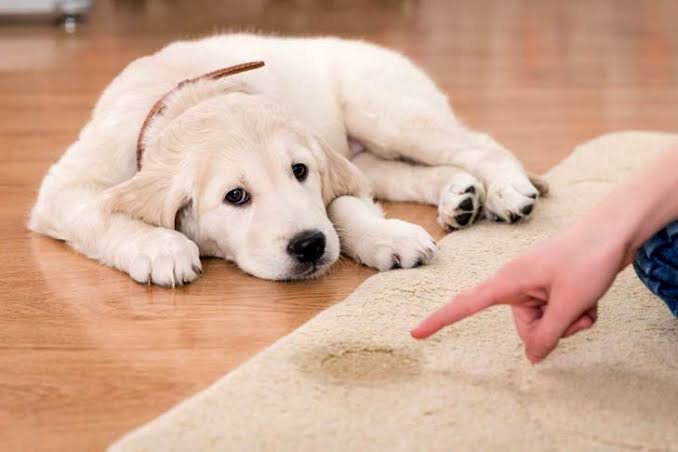
Bringing a new puppy home is an exciting experience, but potty training can be one of the biggest challenges for new dog owners. Puppies need time to understand where they should go to the toilet, and accidents are a normal part of the learning process. With patience, consistency, and the right approach, most puppies can develop good toilet habits over time. Understanding how puppies learn and creating a reliable routine can make the process easier for both you and your pet.
Start Puppy Potty Training Early
The best time to introduce potty training is when your puppy comes home. Young puppies have small bladders and limited control, so they need frequent opportunities to relieve themselves. Instead of expecting your puppy to understand everything immediately, focus on creating a predictable routine that makes the correct behaviour easier to learn. Waggie offers dog potty training in Singapore through structured obedience classes that use positive, force-free methods to help dogs develop better toilet habits and help owners understand their pets’ signals.
Take your puppy to the designated toilet area after waking up, eating, drinking, playing, and sleeping. These are common times when puppies may need to relieve themselves. Taking them to the same location regularly can also help them associate that place with going to the toilet. As your puppy becomes familiar with the routine, they will gradually understand what is expected.
Create a Consistent Potty Training Schedule
Consistency is one of the most important parts of puppy dog potty training. Puppies learn through repetition, so taking them outside or to their designated toilet area at regular intervals can help establish good habits. A young puppy may need to go frequently throughout the day, particularly after meals and periods of activity.
Try to maintain similar feeding, sleeping, playing, and toilet schedules every day. A predictable routine makes it easier for you to anticipate when your puppy needs to go. It also helps your puppy understand what happens at different times of the day. As your puppy grows and develops better bladder control, the frequency of toilet breaks can gradually be reduced.
Learn to Recognise Potty Signals
Puppies often display certain behaviours when they need to go to the toilet. Learning to recognise these signals can help prevent accidents. Your puppy may sniff the floor, walk around in circles, become restless, move towards a door, whine, or suddenly stop playing. Some puppies may also repeatedly return to a particular area where they previously had an accident.
Every puppy is different, so pay attention to your pet’s individual behaviour. Once you identify their signals, respond quickly by taking them to the appropriate toilet area. Over time, your puppy may learn to communicate their need to go outside or to their designated spot.
Use Positive Reinforcement
Positive reinforcement can make potty training a more positive experience for your puppy. When your puppy successfully goes to the toilet in the correct place, praise them immediately and consider giving them a small reward. The reward should happen soon after the desired behaviour so your puppy can understand what they are being praised for.
Keep your praise simple and enthusiastic. You can use encouraging words, affection, or an appropriate treat. Positive experiences can help your puppy associate going to the correct toilet area with something rewarding. This can encourage them to repeat the behaviour in the future.
Handle Accidents Calmly
Accidents are a normal part of puppy potty training. Young puppies are still developing bladder control and learning the rules of their new environment. Getting angry, shouting, or punishing your puppy after an accident can create fear and confusion rather than teaching the behaviour you want.
If you notice an accident happening, calmly interrupt your puppy and take them to the appropriate toilet area. If you discover an accident after it has already happened, simply clean the area thoroughly. Removing the odour is important because lingering smells may encourage your puppy to use the same spot again.
Choose the Right Toilet Training Method
The best potty training method can depend on your living situation, your puppy’s age, and your daily routine. Some owners train their puppies to go outdoors, while others initially use puppy pads or another designated indoor toilet area. If you live in an apartment or high-rise building, an indoor option may be useful during the early stages.
Whatever method you choose, try to remain consistent. Constantly changing the designated toilet location can make it harder for your puppy to understand where they should go. Once your puppy becomes reliable with one method, you can gradually introduce changes if necessary.
Give Your Puppy Time to Learn
There is no exact timeframe for potty training every puppy. Some puppies learn quickly, while others require several weeks or longer to become consistently reliable. Factors such as age, previous experiences, routine, environment, and individual temperament can influence progress.
Instead of focusing only on how quickly your puppy becomes fully trained, pay attention to gradual improvements. Fewer accidents, better recognition of toilet signals, and more successful trips to the correct area are all signs that your puppy is learning. Patience is essential because rushing the process can make training more stressful.
When Professional Training Can Help
Some puppies may continue to struggle with potty training despite consistent routines and positive reinforcement. If accidents remain frequent or you are unsure how to address specific behaviours, professional guidance can be helpful. An experienced dog trainer can observe your puppy’s behaviour, identify potential problems, and help you develop a training routine that suits your circumstances.
Professional support can also be useful for busy owners who want structured guidance from the beginning. A trainer can demonstrate appropriate techniques and help owners become more consistent and confident when teaching their puppies.
Final Thoughts
Puppy dog potty training requires patience, consistency, and an understanding of your puppy’s needs. Establishing a regular schedule, recognising toilet signals, using positive reinforcement, and responding calmly to accidents can create a strong foundation for good habits. Remember that puppies learn at different speeds, so occasional setbacks should not be viewed as failure. With consistent training and plenty of encouragement, your puppy can gradually learn where and when to go to the toilet, helping create a cleaner and happier home for everyone.