
Introduction: When Safety Takes the Lead in the Sky
The aviation world is built on layers of safety, discipline, and preparation. Even so, when an emergency landing occurs, it naturally draws attention and concern. One such moment that caught public interest was the Delta Connection DL3543 emergency landing. While the term “emergency” can sound alarming, these situations often highlight how effectively aviation safety systems work under pressure.
The Delta Connection DL3543 emergency landing was not a sign of failure but a reflection of caution, professionalism, and timely decision-making. From the moment a technical irregularity was detected, every action followed strict procedures designed to protect lives. These are the moments when training, technology, and human judgment come together.
This article takes a closer, human-centered look at the Delta Connection DL3543 emergency landing. We will explore what Delta Connection represents, why emergency landings happen, how flight crews manage such situations, what passengers experience emotionally, and what this incident truly means for airline safety. By the end, one truth becomes clear: safety in aviation is never accidental.
Understanding Delta Connection as an Airline Network
Delta Connection is the regional flight system operating under the Delta Air Lines brand. It is managed by trusted regional partners such as SkyWest Airlines, Endeavor Air, and Republic Airways. These flights play a critical role by linking smaller cities to major Delta hubs.
Delta Connection aircraft usually include regional jets like the Embraer E170 and E175, along with Bombardier CRJ-700 and CRJ-900 models. Though smaller in size, these aircraft meet the same safety and maintenance standards as larger mainline jets.
The Delta Connection DL3543 emergency landing involved one of these regional flights, reinforcing the fact that safety expectations remain equally high, regardless of aircraft size or route length.
What Happened During the Delta Connection DL3543 Emergency Landing
The Delta Connection DL3543 emergency landing was initiated after the flight crew identified a condition that required immediate attention. Airlines do not declare emergencies lightly. Such decisions are made only when caution demands action.
An emergency landing does not automatically mean danger is imminent. Often, it is a preventive step taken to ensure a manageable issue does not develop into a serious problem. In this case, choosing to land early showed the crew’s commitment to protecting everyone onboard.
Key aspects of the Delta Connection DL3543 emergency landing included:
- Early recognition of an abnormal system indication
- Immediate coordination with air traffic control
- Clear and calm passenger briefings
- A stable, controlled landing at a suitable airport
Each step reflected discipline rather than panic.
Why Emergency Landings Happen in Commercial Aviation
To fully understand the Delta Connection DL3543 emergency landing, it helps to understand why emergency landings occur in general. Airlines define an emergency landing as any unscheduled landing made due to safety-related concerns.
Technical or Mechanical Alerts
Modern aircraft continuously monitor thousands of data points. Even small irregularities can trigger alerts, allowing pilots to respond early and responsibly.
Medical Situations Onboard
Sometimes, passengers or crew members require urgent medical care. In such cases, pilots may divert to the nearest airport to save lives.
Weather-Related Risks
Unexpected storms, severe turbulence, or wind shear can force pilots to change plans and land early.
Wildlife Encounters
Bird strikes, especially during takeoff or landing, can affect engines or windshields. Aircraft are built to handle these events, but precautionary landings are common.
Cabin or Pressurization Concerns
Any sign of pressurization issues leads to immediate action, including descent and landing if necessary.
The Delta Connection DL3543 emergency landing likely followed one of these well-documented scenarios, managed through established safety systems.
How Pilots Are Trained for Critical Moments
Pilots are prepared for emergencies long before they ever face one in real life. The Delta Connection DL3543 emergency landing was a real-world example of that preparation.
Structured Cockpit Decisions
Pilots rely on detailed checklists created by manufacturers and aviation authorities. These procedures ensure nothing is missed, even under stress.
Coordination with Air Traffic Control
Once an emergency is declared, air traffic control provides priority clearance and ensures emergency services are ready on the ground.
Managing Aircraft Systems
Advanced cockpit systems allow pilots to isolate problems, adjust configurations, and maintain full control until landing.
Training turns uncertainty into action.
The Quiet Strength of Cabin Crew During Emergencies
Cabin crew members are more than service professionals; they are trained safety specialists. During the Delta Connection DL3543 emergency landing, flight attendants would have followed strict protocols to keep the cabin secure.
Their duties include:
- Communicating calmly with passengers
- Demonstrating safety positions if needed
- Ensuring seatbelts and cabin readiness
- Preparing for evacuation only if instructed
Passengers often remember the calm faces and steady voices of cabin crew long after the flight ends.
What Passengers Experience During an Emergency Landing
Hearing the phrase “emergency landing” can cause fear, even when the situation is controlled. During the Delta Connection DL3543 emergency landing, passengers likely experienced a mix of anxiety, silence, and hope.
Common observations include:
- Clear announcements from the cockpit
- Crew members moving quickly but calmly
- A firmer-than-usual landing
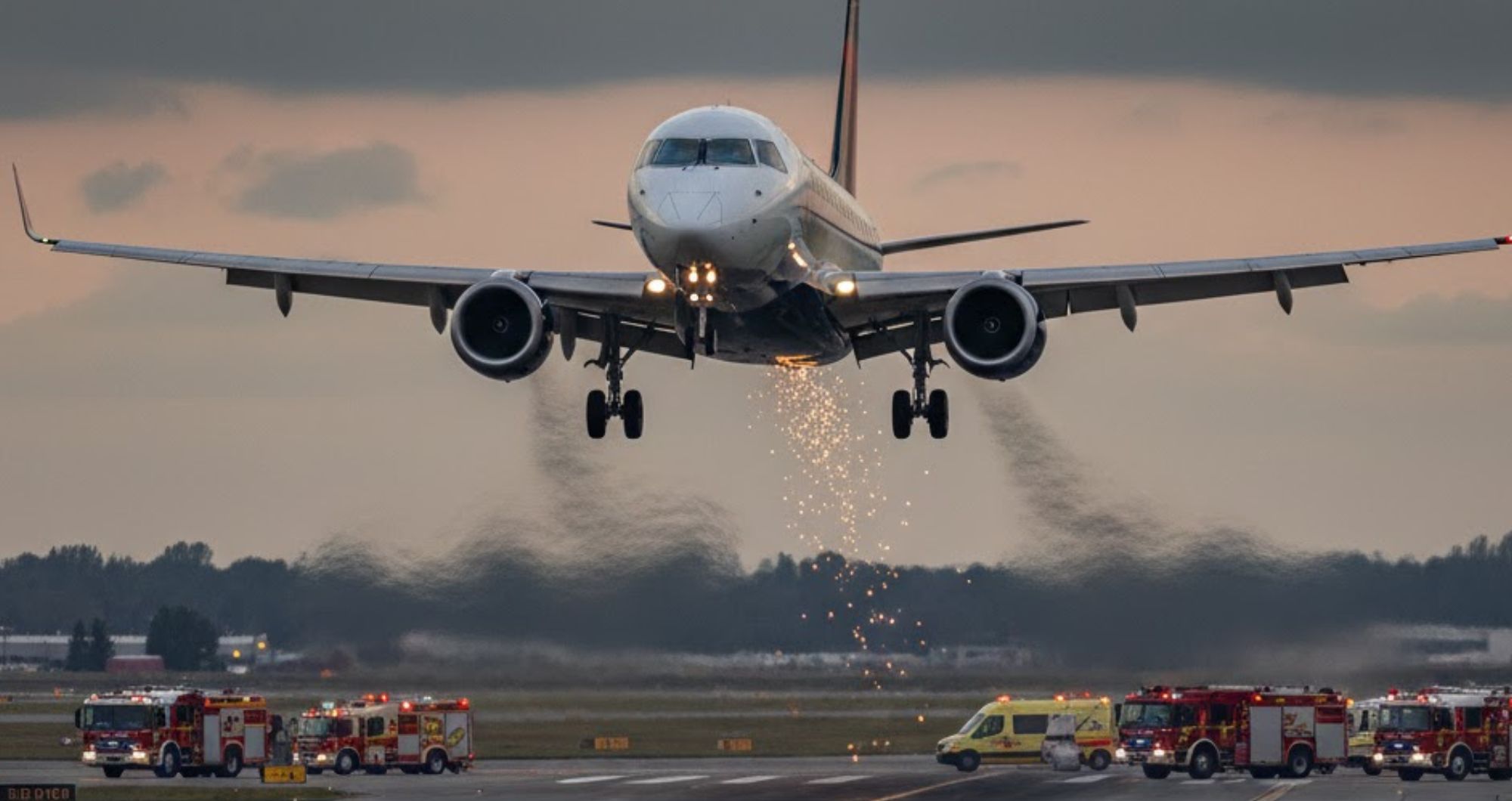
- Emergency vehicles positioned nearby as a precaution
These actions are standard and designed purely for safety.
Aircraft Safety Systems That Protect Lives
The success of the Delta Connection DL3543 emergency landing highlights the strength of modern aircraft design.
Multiple Backup Systems
Critical systems are duplicated or triplicated to ensure functionality even if one fails.
Continuous Data Monitoring
Onboard computers provide real-time feedback, helping pilots detect issues early.
Engine and Fire Protection
Engines are equipped with fire detection and suppression systems that activate instantly if needed.
Technology acts as a silent guardian.
Emergency Landing vs. Crash Landing: Knowing the Difference
The Delta Connection DL3543 emergency landing was a controlled and planned maneuver, not a crash landing.
An emergency landing:
- Takes place at an airport
- Happens under full pilot control
- Follows established procedures
A crash landing involves loss of control or severe damage, which did not occur in this case.
What Happens After the Plane Is on the Ground
Following the Delta Connection DL3543 emergency landing, airline protocols would include:
- Detailed aircraft inspections
- Passenger rebooking and assistance
- Reports submitted to aviation authorities
- Internal safety reviews
Each step supports transparency and improvement.
How This Incident Reflects on Delta’s Safety Culture
Delta and its regional partners maintain strong safety records. Events like the Delta Connection DL3543 emergency landing do not weaken that record—they strengthen it.
Preventive action is proof of responsibility, not risk.
What Travelers Should Remember About Emergency Landings
Passengers should take reassurance in knowing that:
- Emergency landings are usually precautionary
- Pilots train extensively for these situations
- Aircraft are engineered for safety above all
- The Delta Connection DL3543 emergency landing is a real-life example of systems working properly
Media Coverage and Public Reaction
News reports often highlight the word “emergency,” which can increase fear. Understanding the technical reality helps separate drama from facts.
The Delta Connection DL3543 emergency landing was a safety-driven decision, not a near-disaster.
Key Lessons from the Delta Connection DL3543 Emergency Landing
Every such event offers valuable insights:
- Early detection reduces risk
- Clear communication calms passengers
- Training and technology save lives
Frequently Asked Questions
What caused the Delta Connection DL3543 emergency landing?
The landing was initiated after detecting a condition that required precautionary action.
Were there injuries reported?
No injuries were reported, and the landing was completed safely.
Are emergency landings unusual?
They occur occasionally and are part of standard safety procedures.
Should passengers panic when one is announced?
While stressful, emergency landings usually indicate that safety systems are working correctly.
How does Delta assist passengers afterward?
Passengers are rebooked, supported by customer service, and kept informed.
Conclusion: Safety Proven, Not Promised
The Delta Connection DL3543 emergency landing stands as a powerful example of aviation safety in action. While the word “emergency” can trigger fear, the reality is often controlled, calculated, and guided by experience.
From early detection to a safe landing, every step followed proven protocols designed to protect lives. This incident did not expose weakness—it revealed strength.
In the end, the Delta Connection DL3543 emergency landing reminds us that when plans change at 30,000 feet, preparation, professionalism, and technology work together to bring everyone home safely.
3 replies on “Delta connection dl3543 emergency landing”
[…] Delta flight dl275 japan diversion lax occurred, it did not indicate weakness. It showed the flexibility and […]
[…] In this article, we will break down what xozloxdur25 really is, how it started, what it offers through its products, and why so many individuals and businesses are choosing it in 2025. No confusing language. Just a clear, honest explanation. […]
[…] Delta Connection DL3543 emergency landing wasn’t about danger—it was about decision-making, preparation, and human […]