A chemical transfer line suddenly stops during a routine shift. Pressure begins to rise inside the pipe, and operators move quickly to prevent a leak. In industrial settings, moments like this show how critical pump choice really is.
Industrial fluid handling simply means moving liquids inside a facility. That liquid could be fuel, acid, slurry, water, or even food products. While it may sound simple, the risks are real. A pump failure can lead to leaks, fires, downtime, or worker injuries. According to the Occupational Safety and Health Administration, equipment issues remain a common factor in industrial incidents.
This is why safety matters more than speed alone. Pneumatic pumps, powered by compressed air instead of electricity, reduce spark and overheating risks. Even with modern electric systems available, pneumatic pumps remain one of the safest choices in high-risk industrial environments.
What Industrial Fluid Handling Really Involves
Industrial fluid handling is the process of transferring liquids safely and efficiently within a facility. It sounds simple, but the type of liquid and the working environment make it complex.
The Types of Fluids Industries Move
Facilities handle far more than just water. Common examples include:
- Corrosive chemicals such as acids used in processing plants
- Flammable liquids like fuels and solvents
- Thick slurries in mining and wastewater systems
- Food and pharmaceutical liquids that require hygiene and Business control
Each fluid behaves differently. Some eat away at metal. Others release dangerous vapors. Moving water is easy. Moving flammable solvent in a refinery is not.
Why Pump Selection Is a Big Deal
Choosing the right pump affects:
- Pressure control
- Leak prevention
- Avoiding sparks
- Protecting workers
A mismatch between pump and fluid can quickly turn into a safety issue.
How Pneumatic Pumps Actually Work
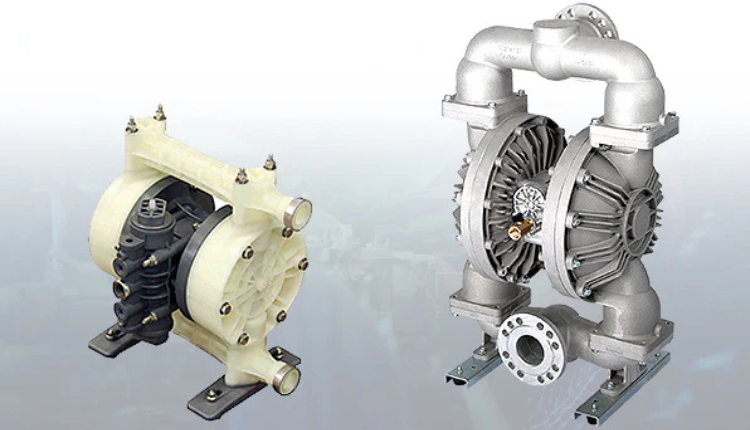
Pneumatic pumps, often called air-operated diaphragm pumps, use compressed air instead of electricity. Their design is simple, which is part of why they are trusted in demanding environments.
The Basic Idea
Here is how they operate:
- Powered by compressed air
- No electric motor inside the pump
- A diaphragm moves back and forth to push fluid
Compressed air enters one chamber, flexes the diaphragm, and pushes the liquid out. Then the cycle reverses. It is a steady back-and-forth motion.
Why That Matters
This design offers practical advantages:
- No electrical sparks
- No overheating motor
- Built for tough environments
Many industrial manufacturers, including Graco Inc., produce air-operated pumps for hazardous applications. Their continued use across industries shows that this technology remains relevant and reliable.
Why Safety Is the Real Priority in Industrial Sites
In industrial facilities, safety decisions are rarely optional. They are built into daily operations because the risks are real and sometimes immediate.
Explosion Risks
Electric motors can create sparks, especially if wiring degrades or components fail. In oil and gas or chemical plants, flammable vapors may already be present in the air. Even a small spark can become a serious incident. To mitigate these hazards, many facilities utilize pneumatic pumps, which operate entirely on compressed air, thereby eliminating the electrical ignition sources that lead to such accidents.
Equipment Failure Risks
Beyond explosions, there are other dangers:
- Seal failure leading to leaks
- Overheating motors
- Pressure spikes inside pipelines
Agencies like the Occupational Safety and Health Administration regularly emphasize equipment safety and maintenance in industrial workplaces. The goal is simple: reduce preventable accidents before they happen.
5 Reasons Pneumatic Pumps Are Still the Safest Choice
When comparing pump technologies, safety performance in real-world conditions matters more than marketing claims. Pneumatic pumps continue to stand out in environments where risk is high and conditions are unpredictable.
1. No Electricity, No Spark Risk
Because pneumatic pumps run on compressed air, there are no internal electrical components to spark. This makes them ideal in explosive atmospheres.
For example, a refinery transferring fuel does not want electrical sparks near vapor. Air-powered systems remove that ignition source from the equation.
2. They Stop Automatically Under Pressure
If a discharge line becomes blocked, a pneumatic pump simply stalls. It does not continue forcing fluid through the system.
This prevents:
- Motor damage
- Pipe bursts
- Sudden mechanical failures
Instead of overheating or burning out, the pump pauses safely until the issue is resolved.
3. They Can Run Dry Without Damage
Many electric pumps rely on fluid for cooling and lubrication. When they run dry, internal parts can overheat quickly.
Pneumatic pumps can tolerate short dry runs without severe damage. In real operations where tanks occasionally empty or flow fluctuates, this reduces emergency repairs and maintenance stress.
4. Better for Aggressive Chemicals
Strong acids and solvents can degrade seals and damage motor components in traditional systems. Air-operated diaphragm pumps separate the air side from the fluid side.
That isolation protects critical components and lowers the chance of internal corrosion spreading through the system.
In chemical processing plants, this design reduces long-term wear when handling harsh substances daily.
5. Lower Risk of Catastrophic Failure
Pneumatic pumps typically show signs of wear before complete breakdown. Diaphragms may weaken gradually rather than failing instantly.
This slower failure pattern gives operators time to:
- Notice performance changes
- Schedule maintenance
- Prevent sudden shutdowns
In high-risk environments, that extra response time can make a major difference.
Pneumatic vs Electric Pumps — A Practical Comparison
Choosing between pneumatic and electric pumps depends on the working environment, the type of fluid, and the level of risk involved. Both technologies have strengths, but safety conditions often determine the better fit.
Safety
Pneumatic pumps are generally safer in explosive or hazardous areas because they operate without internal electrical components. No motor means no spark source inside the pump.
Electric pumps work well in low-risk environments where flammable vapors are not present. In controlled settings, they perform efficiently and reliably.
Maintenance
Pneumatic pumps have a simpler internal design. Fewer electrical parts mean fewer wiring or motor failures.
Electric pumps, on the other hand, may require attention to motor wear, insulation breakdown, and electrical connections over time.
Energy Costs
Electric pumps are often more energy-efficient in steady operations. Pneumatic pumps may use more energy due to compressed air demands, but they trade some efficiency for improved safety in high-risk zones.
Where Pneumatic Pumps Make the Most Sense
Certain industries face higher safety challenges than others. In these environments, air-operated systems often provide added confidence.
Oil & Gas
Refineries and fuel storage facilities deal with flammable atmospheres daily. Removing electrical ignition sources reduces explosion risk during fuel transfer.
Chemical Manufacturing
Handling corrosive acids and solvents requires pumps that can tolerate aggressive fluids without internal motor damage.
Mining
Mining sites move abrasive slurry that can quickly wear down traditional systems. Pneumatic pumps handle thick mixtures more safely under fluctuating pressure.
Food & Beverage
In clean processing lines, controlled fluid movement is essential. Air-operated pumps help manage sensitive transfers while minimizing contamination risk.
Regardless of the specific industry, the priority is always to ensure fluid transfer is both safe and cost-effective. This is why many global facilities depend on Korax for versatile industrial pumping solutions to keep their operations running smoothly and safely.
Common Misunderstandings About Pneumatic Pumps
Some outdated assumptions still shape how people view pneumatic systems. A closer look shows a more balanced picture.
“They’re Old Technology”
While pneumatic pumps have been around for decades, modern air valve systems are more efficient and durable than earlier designs. Manufacturers continue refining materials and performance.
“They’re Too Expensive”
Compressed air does require energy. However, the cost of a single safety incident, fire, or chemical spill can be far greater than operational air expenses.
“Electric Is Always Better”
Electric pumps are excellent in stable, low-risk facilities. In hazardous zones, safety requirements may outweigh energy savings. The right choice depends on the environment.
Conclusion
Industrial fluid handling is not just about moving liquid from one tank to another. It is about preventing accidents, protecting workers, and avoiding costly shutdowns.
Before selecting a pump, evaluate:
- The type of fluid being transferred
- The level of explosion risk
- Operating pressure conditions
- Overall safety priorities
When environments involve flammable vapors, corrosive chemicals, or unpredictable pressure, safety becomes the deciding factor. In high-risk industrial settings, pneumatic pumps remain one of the safest and most reliable options available.
READ ALSO: Android Universal Link for eSIM Install: Activate in One Tap Like Apple