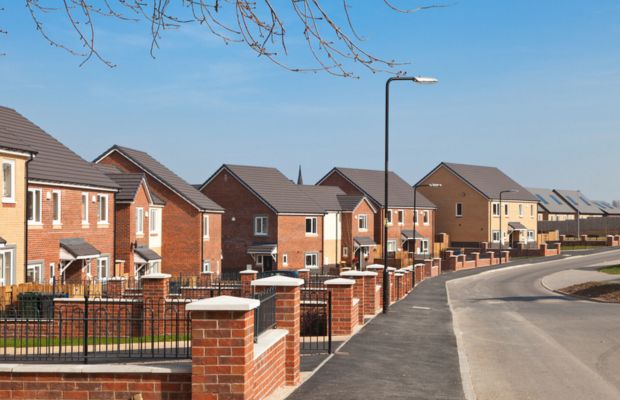
Across the UK, new housing developments are becoming an increasingly common sight. As the demand for homes continues to grow, developers are building new residential communities in towns, suburbs, and city outskirts to help meet housing needs. These developments often include a mix of houses, flats, green spaces, and local amenities designed to support modern lifestyles.
While new housing projects can help address shortages in the property market, they also influence the surrounding area in many ways. From changing property values to reshaping community infrastructure, these developments can have a significant impact on both residents and the local housing market.
For homeowners, landlords, and potential buyers, understanding how new housing developments affect communities can provide useful insights when making property decisions.
Addressing Housing Demand
One of the primary reasons for building new housing developments is to meet the growing demand for homes. Population growth, changing family structures, and increasing urbanisation have all contributed to the need for more housing across the UK.
New developments help provide additional properties for buyers and renters, which can ease pressure in areas where housing supply has been limited. This increased availability can make it easier for people to find homes that suit their needs, whether they are first-time buyers, growing families, or individuals looking to relocate.
In many regions, these developments are an essential part of long-term planning strategies aimed at creating sustainable housing solutions.
Influence on Property Prices
New housing developments can also influence local property prices. In some cases, the introduction of modern homes with updated designs and energy-efficient features can raise interest in the area, potentially increasing property values.
When new infrastructure and amenities are added alongside residential developments, the attractiveness of the area may grow further. Improved transport links, new schools, retail spaces, and recreational facilities can all contribute to higher demand for housing in the surrounding neighbourhood.
However, increased housing supply can also stabilise or moderate price growth in some markets. By providing more homes, developments may help balance supply and demand, particularly in areas where property shortages previously drove rapid price increases.
Expanding Rental Opportunities
New developments do not only affect the sales market; they also influence the rental sector. Many developments include properties specifically designed for renters, including modern flats and build-to-rent schemes.
These properties can provide landlords with new investment opportunities while giving tenants access to high-quality housing options. Features such as energy-efficient construction, modern layouts, and shared community spaces often appeal to today’s renters.
Local rental markets can therefore evolve as new developments introduce different types of housing into the area. In growing communities, property professionals—including letting agents in Egham—often observe shifts in tenant demand as new developments attract professionals, families, and students seeking modern accommodation.
Improving Local Infrastructure
Large housing developments often bring improvements to local infrastructure. Developers may contribute to the construction of roads, schools, healthcare facilities, parks, and retail spaces as part of the planning process.
These additions can benefit both new residents and existing communities. Improved public transport links, for example, can make commuting easier, while new shops and leisure facilities can enhance everyday convenience.
Infrastructure improvements can also make the area more attractive to potential buyers and tenants, which may further support local property markets over time.
Creating New Communities
Modern housing developments are often designed with community living in mind. Many include shared green spaces, walking paths, playgrounds, and community centres that encourage interaction among residents.
These features help create neighbourhoods where people can build connections and enjoy a sense of belonging. Over time, these new communities develop their own local character, with schools, businesses, and social activities contributing to the area’s identity.
For homeowners and tenants, the presence of well-designed community spaces can improve overall quality of life and create a welcoming environment for residents.
Environmental and Sustainability Considerations
New housing developments increasingly incorporate sustainability features designed to reduce environmental impact. Modern homes often include improved insulation, energy-efficient heating systems, and environmentally friendly building materials.
These features can reduce energy consumption and help homeowners and tenants manage household costs more effectively. Additionally, developments may include green spaces, tree planting, and cycling routes to promote healthier and more sustainable lifestyles.
Environmental planning is becoming an important factor in modern housing projects, as communities seek to balance development with long-term sustainability goals.
Opportunities for Property Investors
For property investors and landlords, new housing developments can present valuable opportunities. Investing in an area experiencing growth and regeneration may lead to increased property values and strong rental demand over time.
New developments can attract tenants who prefer modern homes with updated amenities. This can make such properties appealing to young professionals, families, and individuals relocating for work.
Before investing, however, landlords should research the local rental market carefully. Understanding tenant demand, rental pricing, and long-term development plans can help investors choose the right property.
In many cases, landlords consult local experts—such as letting agents in Egham—to gain insight into rental trends and tenant preferences in the area.
Potential Challenges for Existing Communities
While new housing developments offer many benefits, they can also present challenges for existing communities.
For example, rapid population growth may place additional pressure on local services such as schools, healthcare facilities, and transport networks. If infrastructure improvements do not keep pace with development, residents may experience congestion or increased demand for services.
There may also be concerns about changes to the character of the area, particularly in smaller towns or rural locations. Balancing development with community needs is therefore an important aspect of urban planning.
Local councils typically work closely with developers to ensure that new housing projects align with broader community development goals.
The Long-Term Impact on Local Markets
Over time, new housing developments can significantly reshape local property markets. Areas that were once quiet suburbs may evolve into vibrant residential communities with strong demand for housing.
As new businesses, schools, and transport links emerge, property markets often adapt accordingly. Buyers and tenants may become increasingly interested in areas that offer modern homes combined with convenient amenities.
This long-term growth can benefit both homeowners and landlords, particularly if the development contributes to sustained demand for housing.
What Buyers and Renters Should Consider
For individuals considering moving into a new housing development, several factors are worth evaluating.
Buyers and renters may wish to consider the availability of local amenities, transport connections, schools, and green spaces. It is also useful to review future development plans in the area to understand how the neighbourhood may change over time.
New developments often provide modern homes and attractive surroundings, but it is important to ensure that the location aligns with personal lifestyle needs and long-term plans.
Taking time to research the local area can help ensure that the move is a positive and lasting decision.
Conclusion
New housing developments play an important role in shaping the future of communities and property markets across the UK. By increasing housing supply, improving infrastructure, and creating modern residential spaces, these developments help meet the growing demand for homes.
At the same time, they influence local property values, rental markets, and community dynamics. For homeowners, buyers, landlords, and tenants, understanding these changes can provide valuable insights when making property decisions.
New housing developments function as major catalysts in shaping local communities and property markets, offering a blend of economic revitalization, infrastructure upgrades, and increased housing inventory, while also introducing challenges related to congestion and changing neighborhood character. In 2026, these developments are increasingly defined by a focus on sustainability, mixed-use planning, and the need to address supply shortages in urban areas.
Whether someone is considering buying a newly built home, investing in property, or renting in a developing area, staying informed about local housing developments can help them navigate the evolving property landscape with greater confidence.