Factories rarely stop because of a lack of machines. They stop when something essential fails to move. Water, wastewater, chemicals, and cooling fluids must travel through pipes and systems every minute of the day. If that movement slows or stops, production lines pause, equipment can overheat, and entire facilities may face costly shutdowns.
Behind the scenes, pumping systems keep these fluids flowing through industrial networks. They operate quietly across manufacturing plants, power stations, and municipal infrastructure, supporting processes most people never notice.
When designed well, reliable pumping technology keeps operations stable, efficient, and productive, making it one of the most important foundations of modern industry.
Why Pumping Systems Matter in Industrial Operations
Industrial processes depend on steady fluid movement. Pumps make that movement possible by pushing liquids through pipes, treatment systems, and production lines. Without reliable pumping equipment, many industrial operations simply cannot function.
Continuous Fluid Movement Keeps Production Stable
Many industrial systems rely on constant fluid circulation to operate safely and efficiently. Pumps ensure that essential liquids move at the correct pressure and speed throughout a facility.
Common examples include:
- Cooling water systems in manufacturing plants that prevent machines from overheating
- Chemical transfer in processing facilities where liquids move between production stages
- Wastewater transport in treatment plants that carry water through filtration and purification processes
- Boiler feed water in energy production, where water must reach high-pressure boilers to generate steam
Even a short interruption in fluid movement can disrupt these systems. Production may slow, equipment can overheat, and operations may stop entirely. Because of this, industries invest in pumping systems designed to operate reliably for long hours with minimal interruptions.
Reliable Equipment Reduces Downtime
When pumps fail, the consequences can quickly spread through an entire facility. Equipment that depends on steady fluid movement may shut down, leading to unexpected delays and expensive repairs.
Typical problems caused by pump failures include:
- unexpected system shutdowns
- costly emergency maintenance
- lost production time
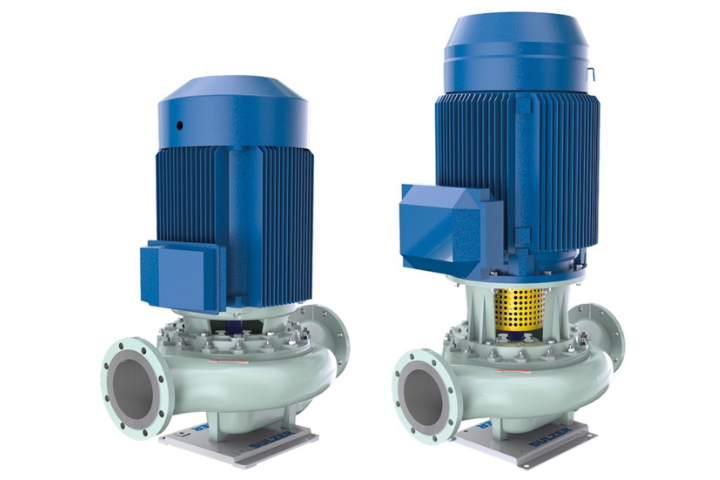
To reduce these risks, engineers often rely on proven technologies such as Sulzer centrifugal pumps that are commonly used in industrial systems where consistent performance is essential.
Understanding the types of pumps used in these environments helps explain how industries maintain reliable fluid movement across complex operations.
The Two Pump Types Most Industries Depend On
Many industrial facilities use different pump designs depending on how fluids need to move through the system. Two of the most common types are centrifugal pumps and submersible pumps. Each serves a specific purpose and is widely used across manufacturing, infrastructure, and water management systems.
Centrifugal Pumps for High-Flow Systems
Centrifugal pumps are among the most widely used pumps in industry because they handle large volumes of liquid efficiently.
They operate using a rotating component called an impeller. As the impeller spins, it pushes liquid outward, creating pressure that moves fluid through pipes and processing equipment.
These pumps are commonly used in:
- cooling systems in industrial plants
- large-scale water circulation systems
- irrigation and infrastructure networks
- chemical processing facilities
Because they provide steady flow and reliable pressure, centrifugal pumps are well suited for systems that need continuous operation.
Submersible Pumps for Drainage and Wastewater
Submersible pumps are designed to operate while fully submerged in liquid. This design makes them highly effective for handling wastewater and drainage applications.
They are often used in:
- sewage systems
- drainage stations
- industrial wastewater plants
- construction site dewatering
Since the pump sits directly in the fluid it moves, it works efficiently while reducing noise and minimizing air-related problems such as cavitation. These characteristics make submersible pumps especially useful in environments where wastewater or floodwater must be moved quickly and safely.
The performance of these pumps, however, depends heavily on the engineering features built into their design.
What Makes a Pump Reliable in Industrial Environments
Industrial pumps often run around the clock, sometimes for years with only scheduled maintenance. Because of this demanding workload, reliability depends on several engineering factors that help pumps maintain performance while reducing wear.
Energy-Efficient Motors
Electric motors account for most of a pump’s energy consumption. In fact, a report from the International Energy Agency notes that motor-driven systems such as pumps consume a large share of global industrial electricity.
Modern pump systems use high-efficiency motors designed to deliver strong performance while lowering energy demand.
These motors provide benefits such as:
- reduced operating costs
- improved energy efficiency
- lower environmental impact
Efficient motors allow industrial systems to maintain continuous operation without excessive power consumption.
Impeller Designs That Prevent Blockages
In wastewater environments, liquids often contain debris, fibers, and other solid materials. Traditional pumps can clog when these materials accumulate around the impeller.
Advanced impeller designs allow pumps to move difficult fluids that contain:
- sludge
- fibrous materials
- suspended debris
These designs improve reliability by reducing blockages and limiting the need for frequent maintenance.
Strong Materials and Sealing Systems
Industrial pumps must withstand harsh conditions, including corrosion, vibration, and constant pressure. To handle these challenges, reliable pumps are built with durable components such as:
- corrosion-resistant metals
- sealed bearings that protect internal parts
- mechanical sealing systems that prevent leaks
These features help pumps operate continuously even in demanding industrial environments. Understanding where these systems are most commonly used further highlights their importance in modern infrastructure and industrial operations.
Where Submersible Pumps Play a Major Role
Submersible pumps are widely used in systems where liquids must be removed from pits, tanks, or underground structures. Their ability to operate directly inside the fluid makes them reliable for handling wastewater, drainage, and other demanding applications.
Wastewater Treatment Facilities
Wastewater treatment plants rely on pumps to move water through several stages of purification. After wastewater enters the facility, pumps transfer it between screening, sedimentation, biological treatment, and final discharge systems.
Without reliable pumping equipment, this process cannot function properly. If wastewater stops moving through the system, treatment stages become overloaded and environmental compliance can be affected. Submersible pumps are especially useful in these environments because they can operate directly in tanks and wet wells where wastewater collects.
Their design also allows them to handle liquids that contain suspended solids and debris commonly found in sewage systems.
Industrial Drainage Systems
Factories and industrial facilities often deal with excess water from daily operations. Cleaning processes, rainfall entering underground areas, or cooling systems can all produce water that must be removed safely.
Submersible pumps play an important role in these situations by moving water away from production areas and preventing flooding or equipment damage.
Many operators rely on Sulzer submersible pumps designed for wastewater environments where pumps must handle solids, debris, and continuous workloads.
Selecting the right pump for these demanding conditions is essential for long-term industrial reliability.
Choosing the Right Pump for Long-Term Industrial Performance
Selecting the right pump is just as important as the pump’s internal design. A well-engineered pump can still perform poorly if it is not properly matched to the system where it will operate.
Engineers typically evaluate several factors before choosing a pump, including:
- required flow rate to move liquids through the system
- pressure or head level needed to overcome resistance in pipelines
- the type of fluid being pumped
- presence of solids or debris in the liquid
- energy efficiency requirements for long-term operation
Working with experienced equipment suppliers helps ensure pumps are properly selected and installed for the intended application. When systems are designed carefully from the start, pumps can operate reliably for years while requiring only routine maintenance.
Conclusion
Industrial systems depend on the constant movement of liquids, and pumping equipment makes that movement possible. From manufacturing plants to wastewater treatment facilities, pumps help keep critical processes operating without interruption.
Reliable pumping systems reduce downtime, protect equipment, and support consistent production. Modern centrifugal and submersible pumps are built to handle demanding workloads while improving efficiency and durability.
When industries invest in dependable pumping technology, they strengthen the infrastructure that supports daily operations. Over time, the right pumping systems become a quiet but essential part of maintaining productivity, controlling operating costs, and ensuring industrial facilities run smoothly.